Back to all articles

AI articles

AI and agentic workloads on open lakehouses — optimizing Iceberg for LLM agents, sub-second queries, MCP integration, and intelligent data access.

6 articles

AI Lakehouse — neural network brain connected to an iceberg data structure representing the evolution from data lake to AI-ready lakehouse
AIAI lakehouseAI data lakeautonomous data lake

AI Lakehouse: The Complete Guide to Self-Managing Data Lakes

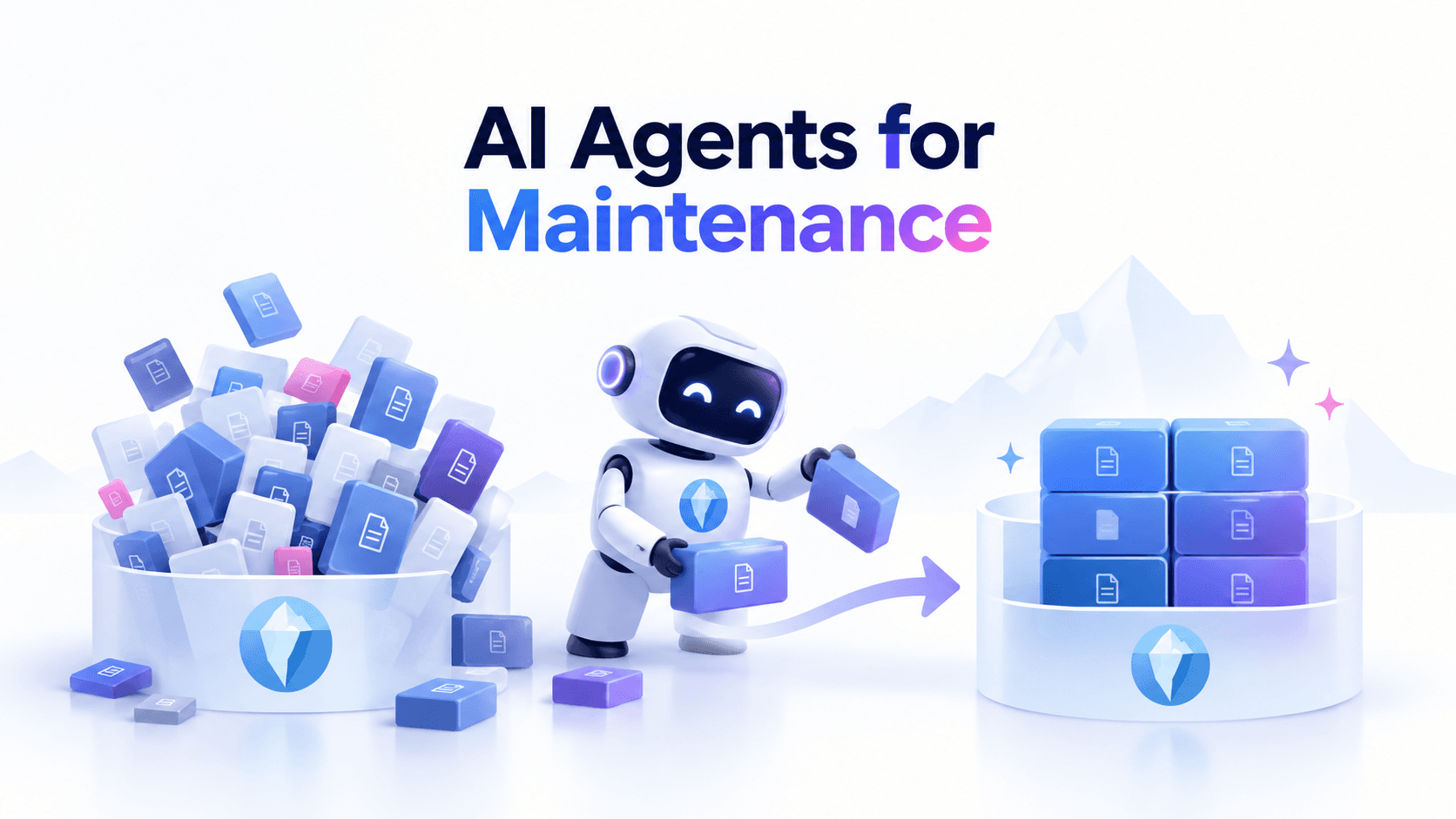
The AI lakehouse is what happens when your data lake stops being passive storage and starts managing itself. Autonomous maintenance, query-aware compaction, multi-engine routing, continuous observability, and an agent interface layer — all working together so the lake stays healthy, fast, and ready for both human analysts and AI agents.

David W
David W
19 min read
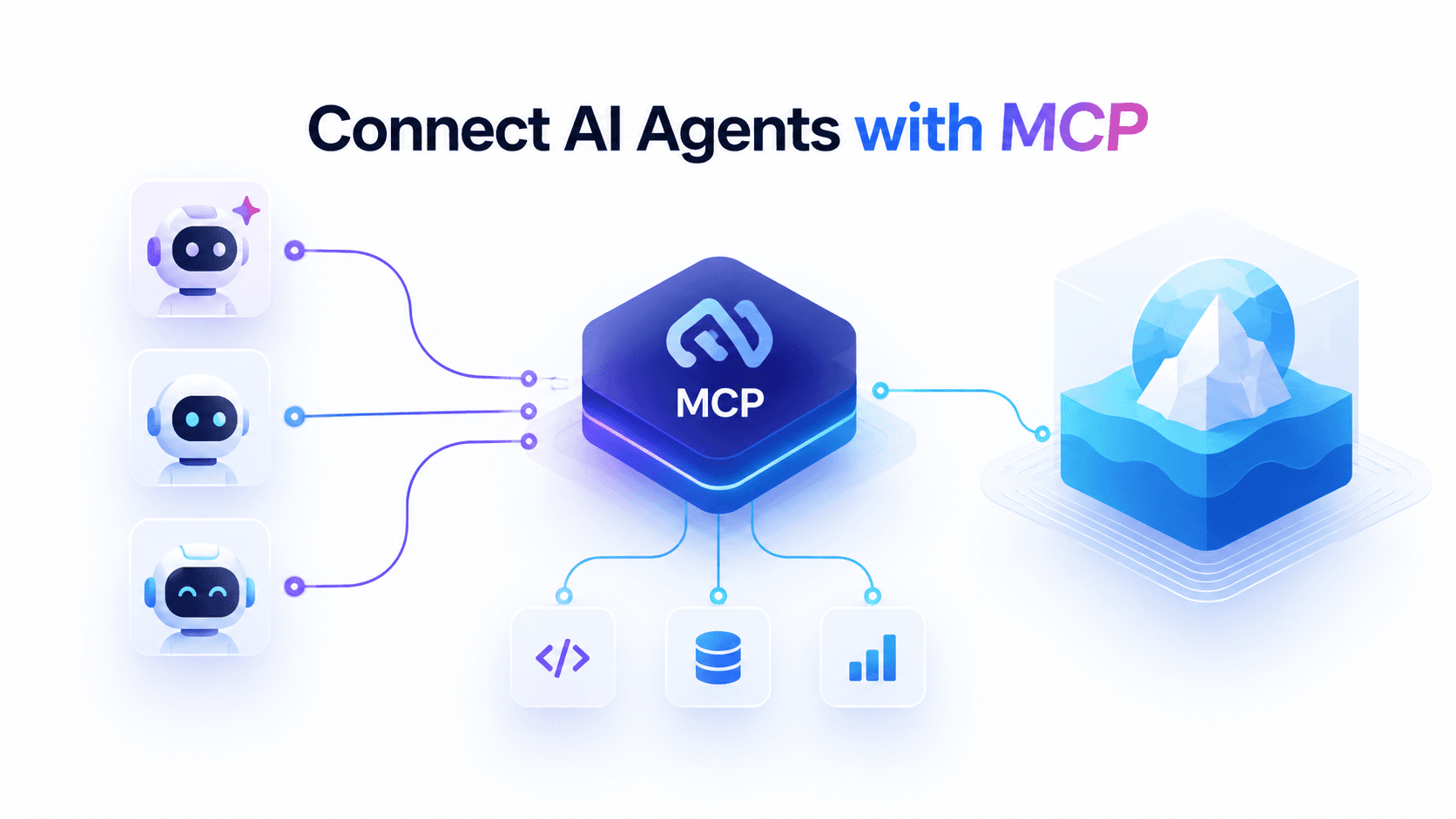
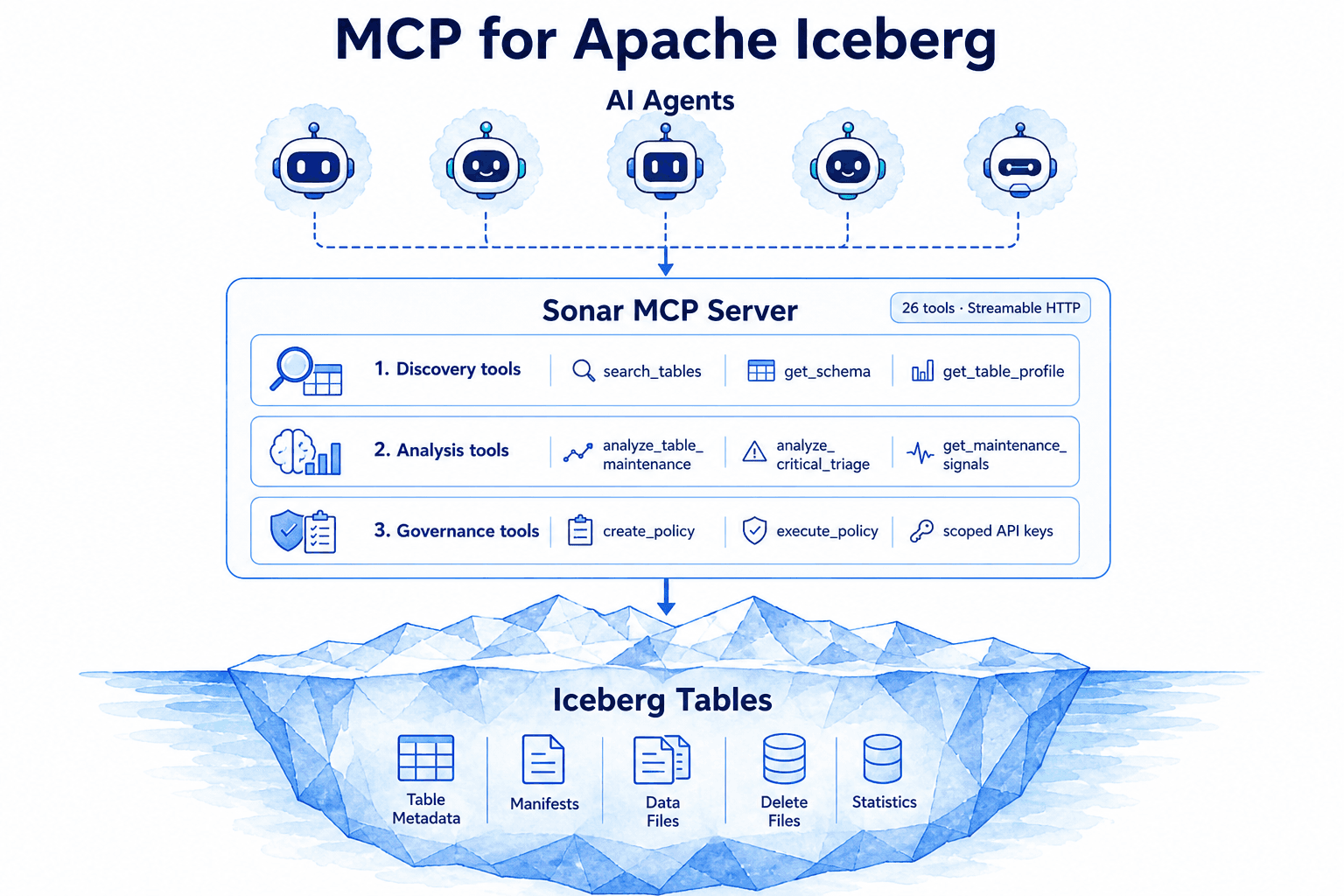
MCP for Apache Iceberg — AI agents connect through the LakeOps MCP server (discovery, analysis, and governance tools) to Iceberg table metadata
AIModel Context ProtocolApache IcebergMCP

MCP for Apache Iceberg: How AI Agents Actually Operate a Data Lake

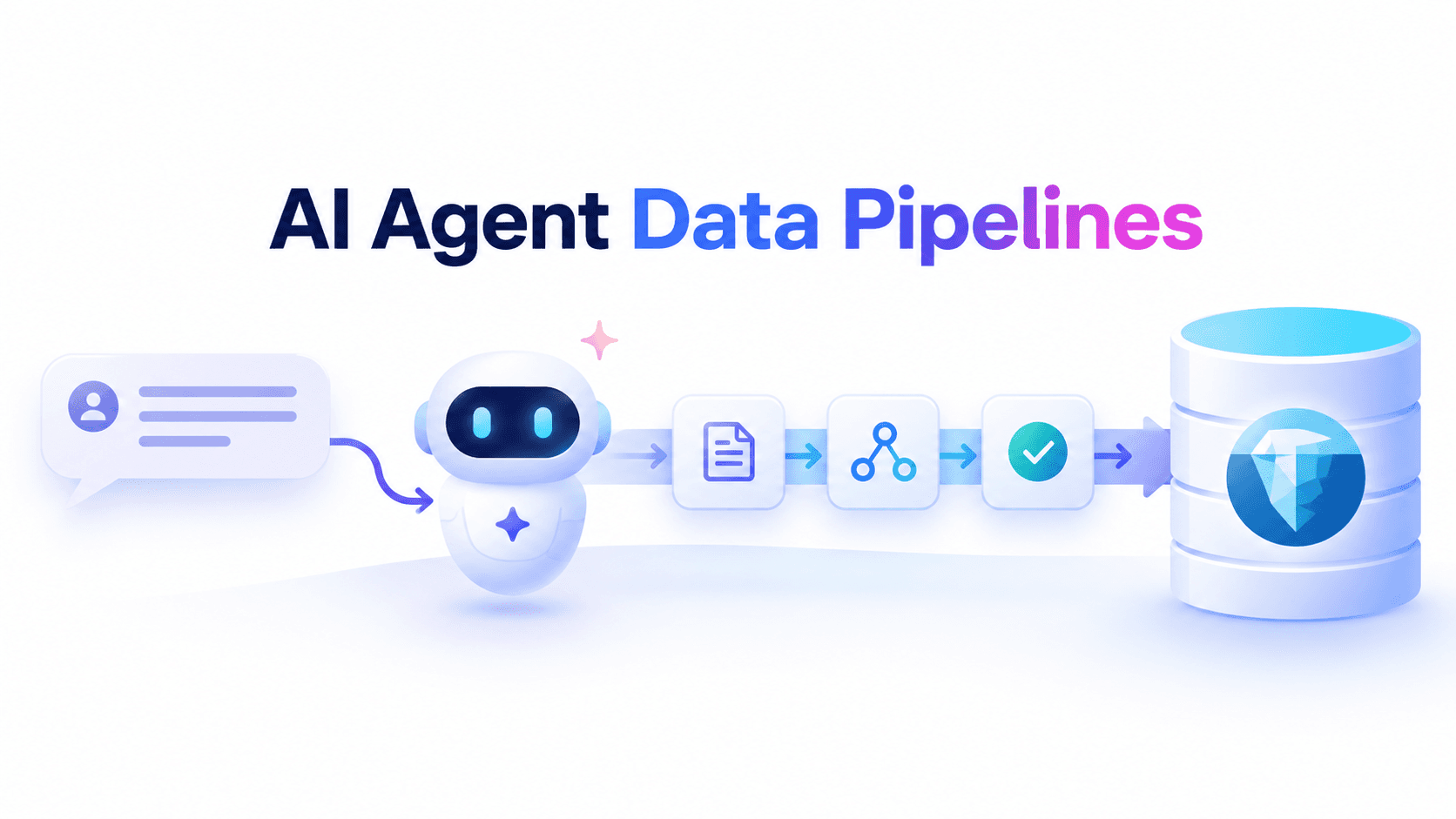
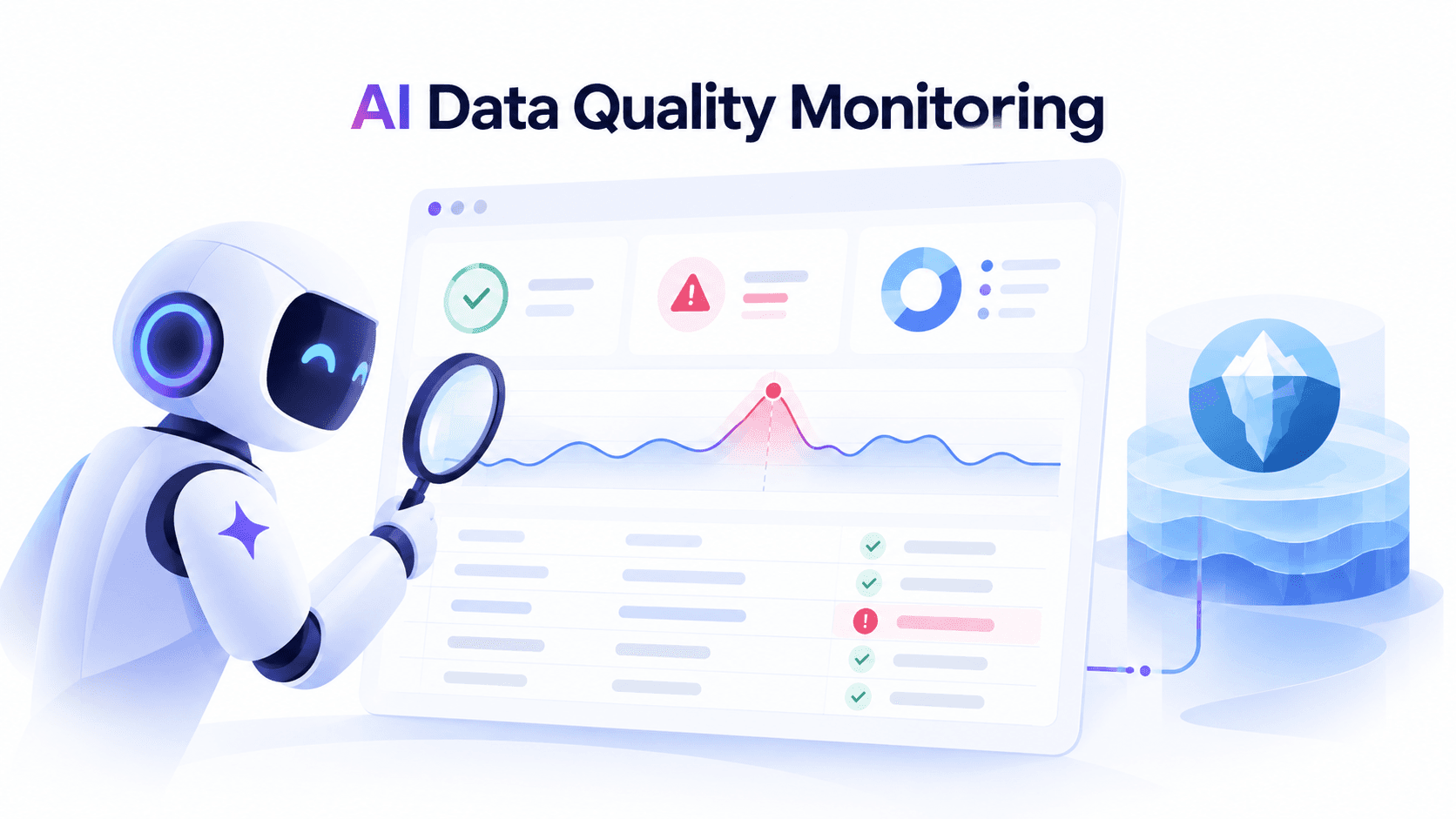
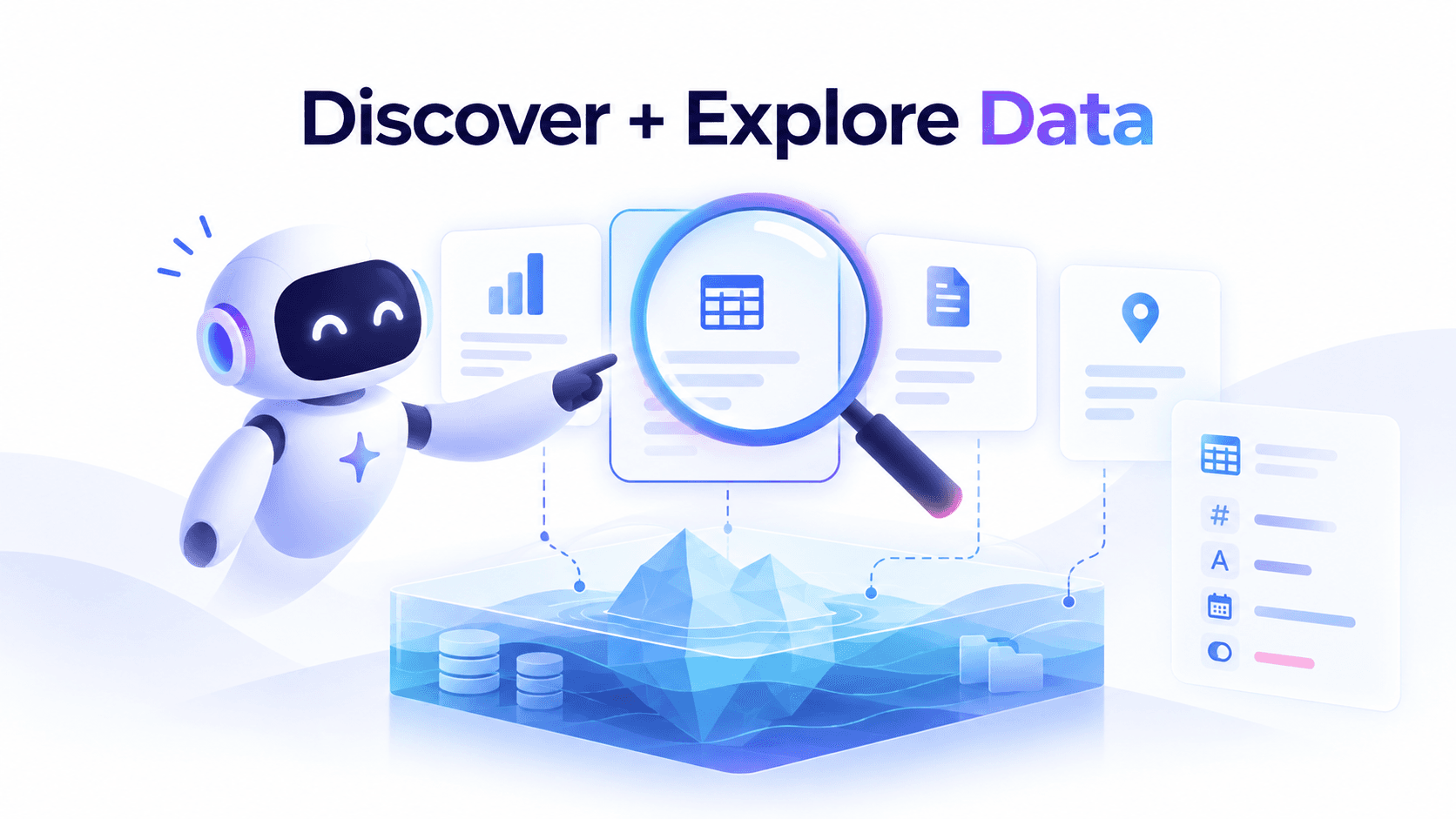
Your Iceberg tables are degrading right now — small files accumulating, snapshots pinning storage, manifests fragmenting — and the fix requires operational knowledge no LLM has in its weights. MCP bridges that gap. This post shows how purpose-built MCP tools turn AI agents from chat assistants into operational participants that discover, diagnose, and govern Iceberg tables with the same structured signals your best platform engineer uses.

Amit Gilad
Amit Gilad
22 min read
Iceberg for AI agents — turning lakehouse data into AI-ready context with structured RAG
Data PlatformsApache IcebergAILakeOps

Iceberg for AI Agents: Turning Lakehouse Data Into AI-Ready Context

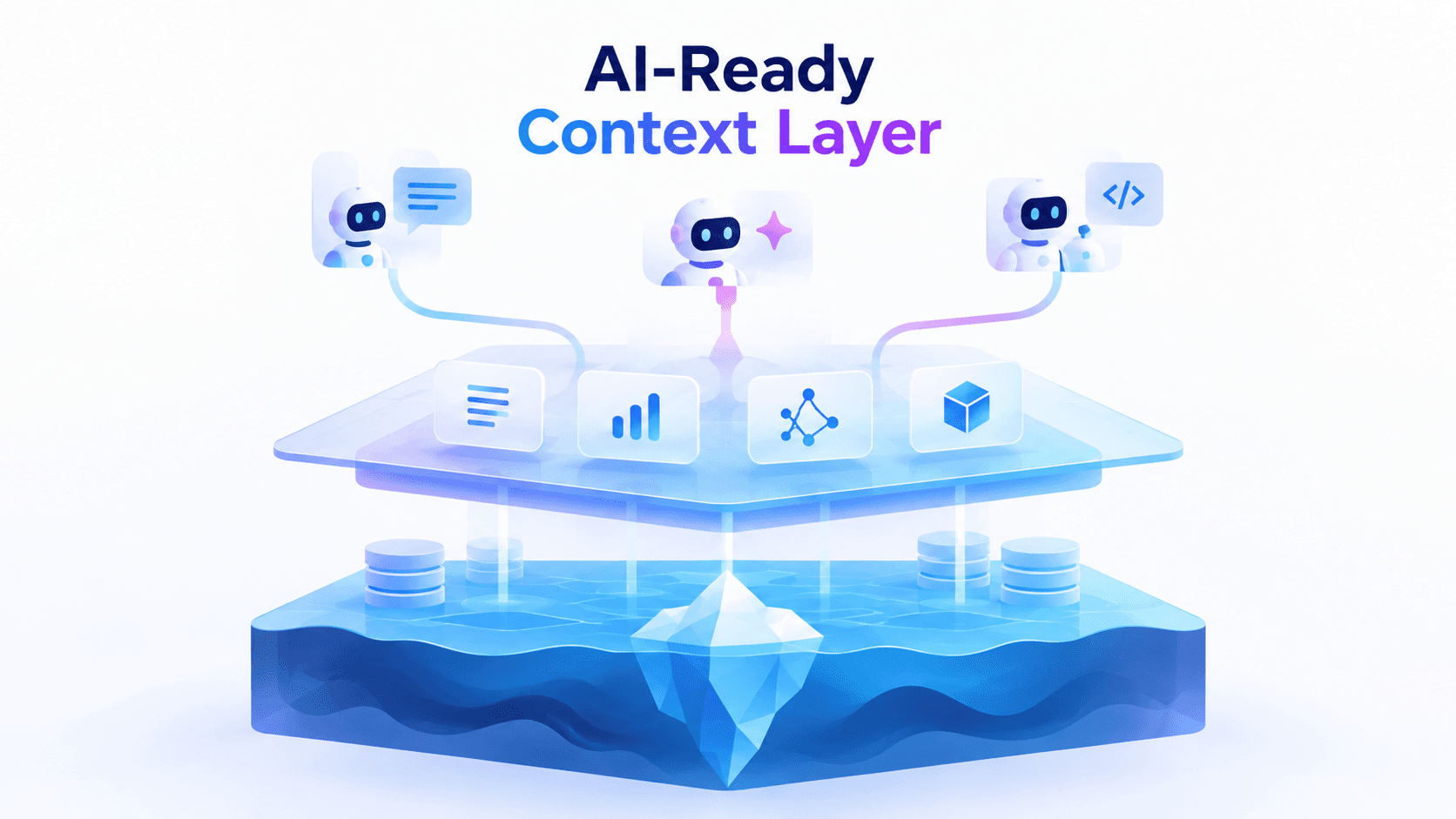
AI agents fail in production because they are overwhelmed with data but starved for context. The bottleneck is not the model — it is the data stack. Apache Iceberg turns lakehouse storage into a live, versioned context layer that powers structured RAG, schema-aware agents, and governed reasoning grounded in truth.

Jonathan Saring
Jonathan Saring
26 min read
Iceberg Lakehouse with AI Agents: A Guide — AI agent robots navigating an Apache Iceberg lakehouse with analytics dashboards, AI brain, and governance shield icons, Build like Netflix subtitle
AIApache IcebergLakehouseLakeOps

Iceberg Lakehouse with AI Agents: A Guide

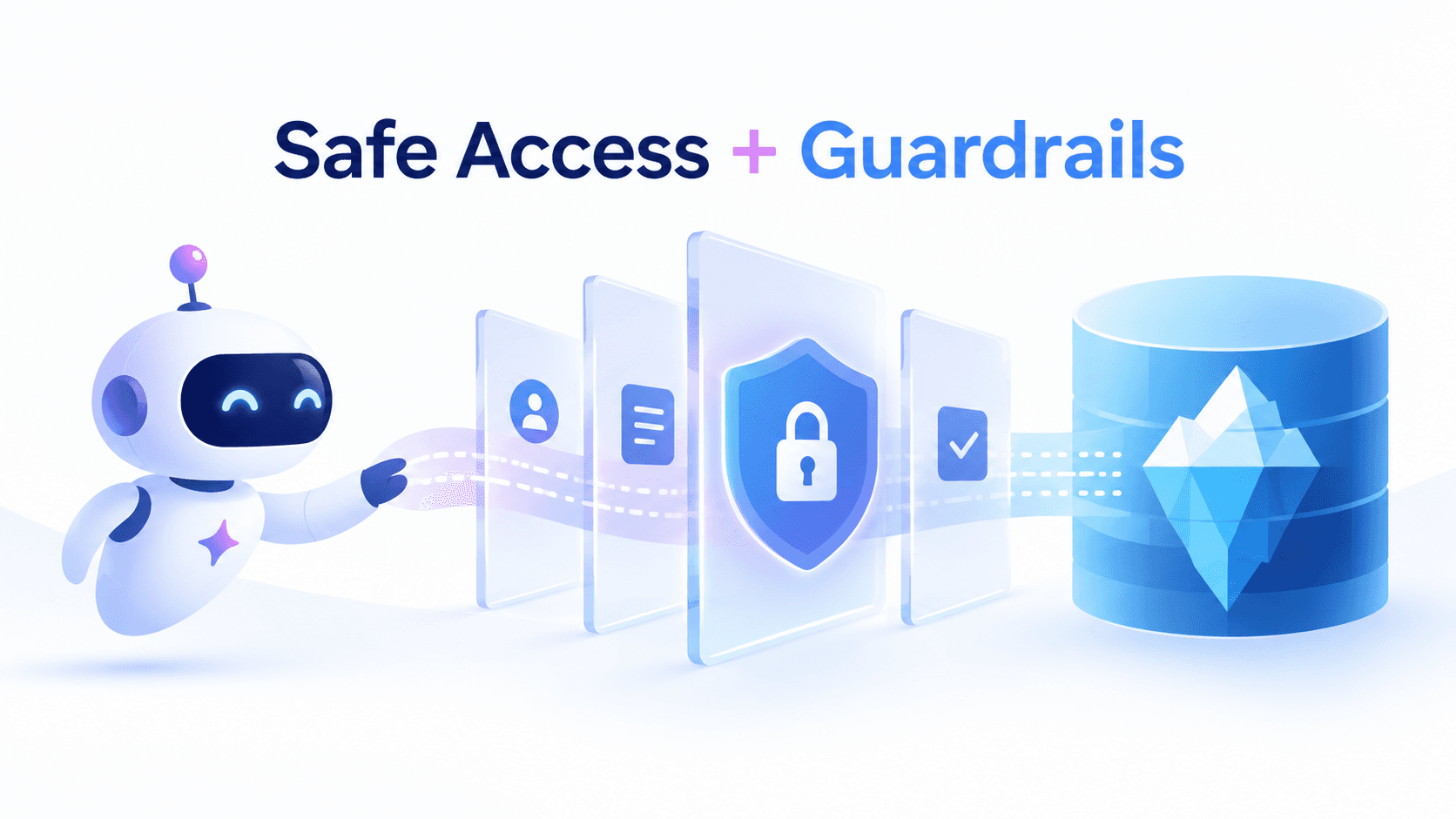
AI agents are becoming primary consumers of Iceberg lakehouse data — querying tables iteratively, at high frequency, and without human review. This guide walks through the five components your infrastructure needs to support agentic workloads — MCP connectivity, guardrails, multi-engine routing, self-optimizing storage, and observability — and shows how LakeOps provides each one.

Jonathan Saring
Jonathan Saring
24 min read
Intelligent Lakehouse — Build like Netflix. LakeOps control plane with observability, optimization, policies, and routing over Spark, Trino, Presto, and BI/ML on Iceberg and S3. 10x query performance, up to 80% lower storage costs, reliable at massive scale, fully automated.
Apache IcebergLakeOpsLakehouseData Platforms

Intelligent Lakehouse: Build Like Netflix

Netflix spent years building an intelligent lakehouse — Polaris for catalog management, Autotune for compaction, janitors for cleanup, and Metacat for observability. LakeOps lets every team build the same — and go beyond — in minutes. Here is what an intelligent lakehouse actually requires, and how LakeOps provides each component.

Jonathan Saring
Jonathan Saring
19 min read
LakeOps control plane for AI agents — MCP, guardrails, routing, storage optimization, observability, and workload policies above Iceberg tables on object storage
AIApache IcebergLakeOpsQueryFlux

Optimizing Apache Iceberg for Agentic AI: From Slow Tables to Sub-Second Agent Queries

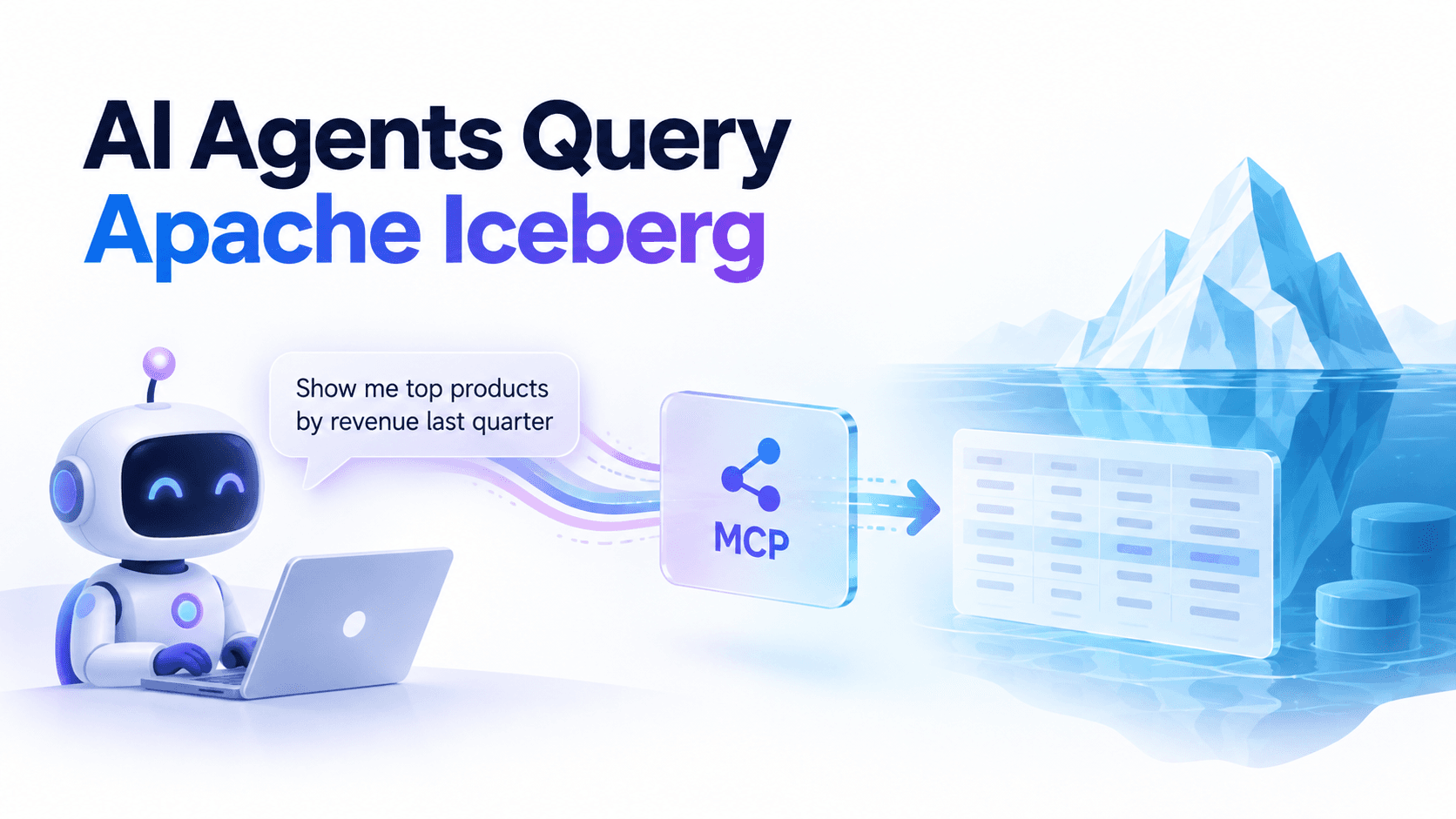
AI agents issue SQL iteratively, repeat query templates at high frequency, and need sub-second responses from tables designed for batch workloads. This post covers what breaks when agents hit a production Iceberg lake — and the five infrastructure layers that fix it: MCP connectivity, guardrails, multi-engine routing, self-optimizing storage, and closed-loop feedback.

Chris P
Chris P
18 min read