Back to all articles

Data Lakehouse articles

How to build and operate a data lakehouse — architecture layers, open table formats, multi-engine compute, control planes, and production operations at scale.

15 articles

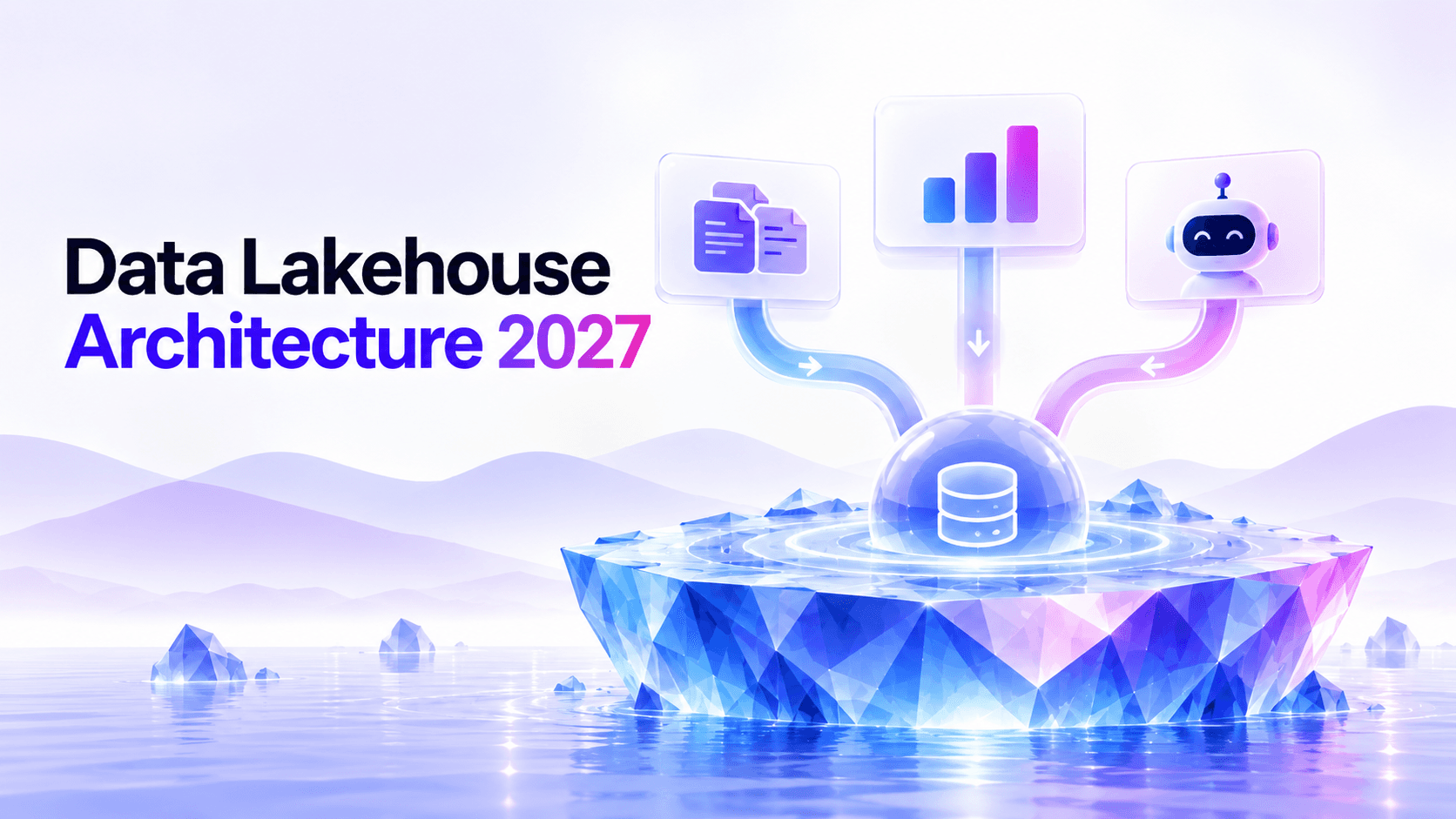
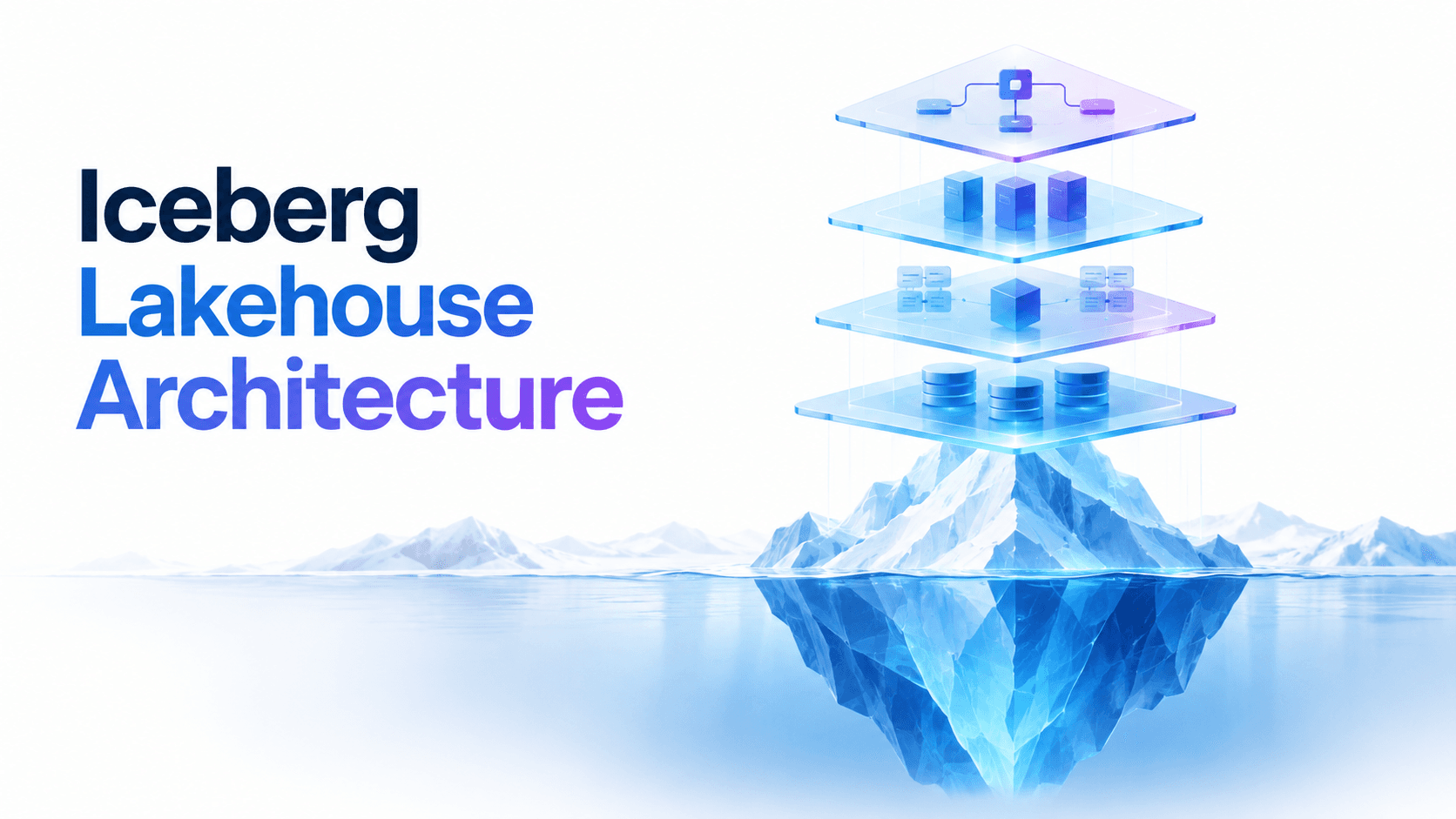
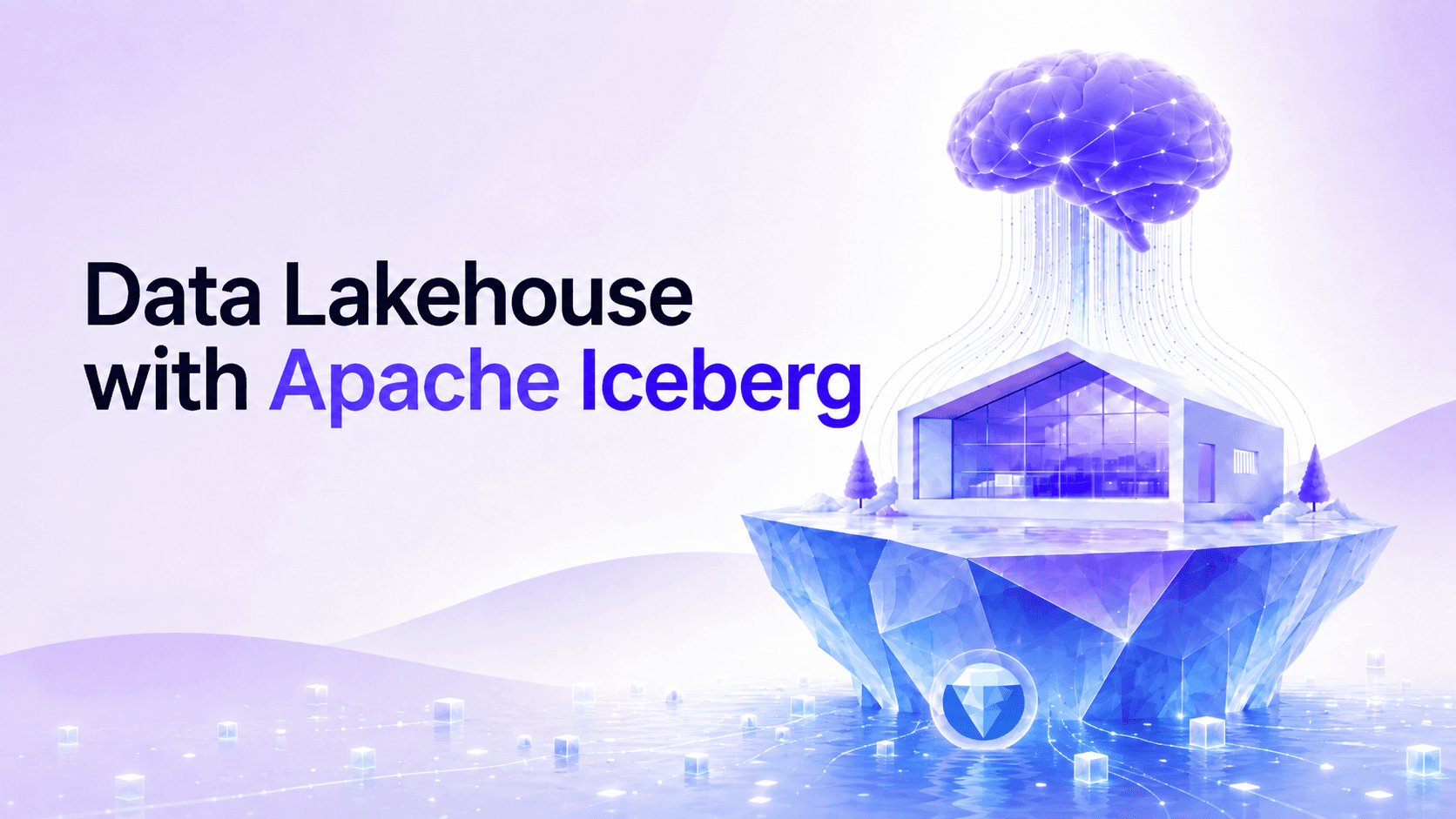
Data Lakehouse with Apache Iceberg — layered architecture with control plane connecting catalogs, query engines, and object storage over Iceberg tables.
Data PlatformsData LakehouseApache Iceberg

Data Lakehouse with Apache Iceberg: A Guide

How a data lakehouse works in production — the four architectural layers, Iceberg's metadata tree, data flow patterns, why tables degrade under real workloads, and the closed-loop control plane that keeps the system performing at scale.

Jonathan Saring
Jonathan Saring
28 min read
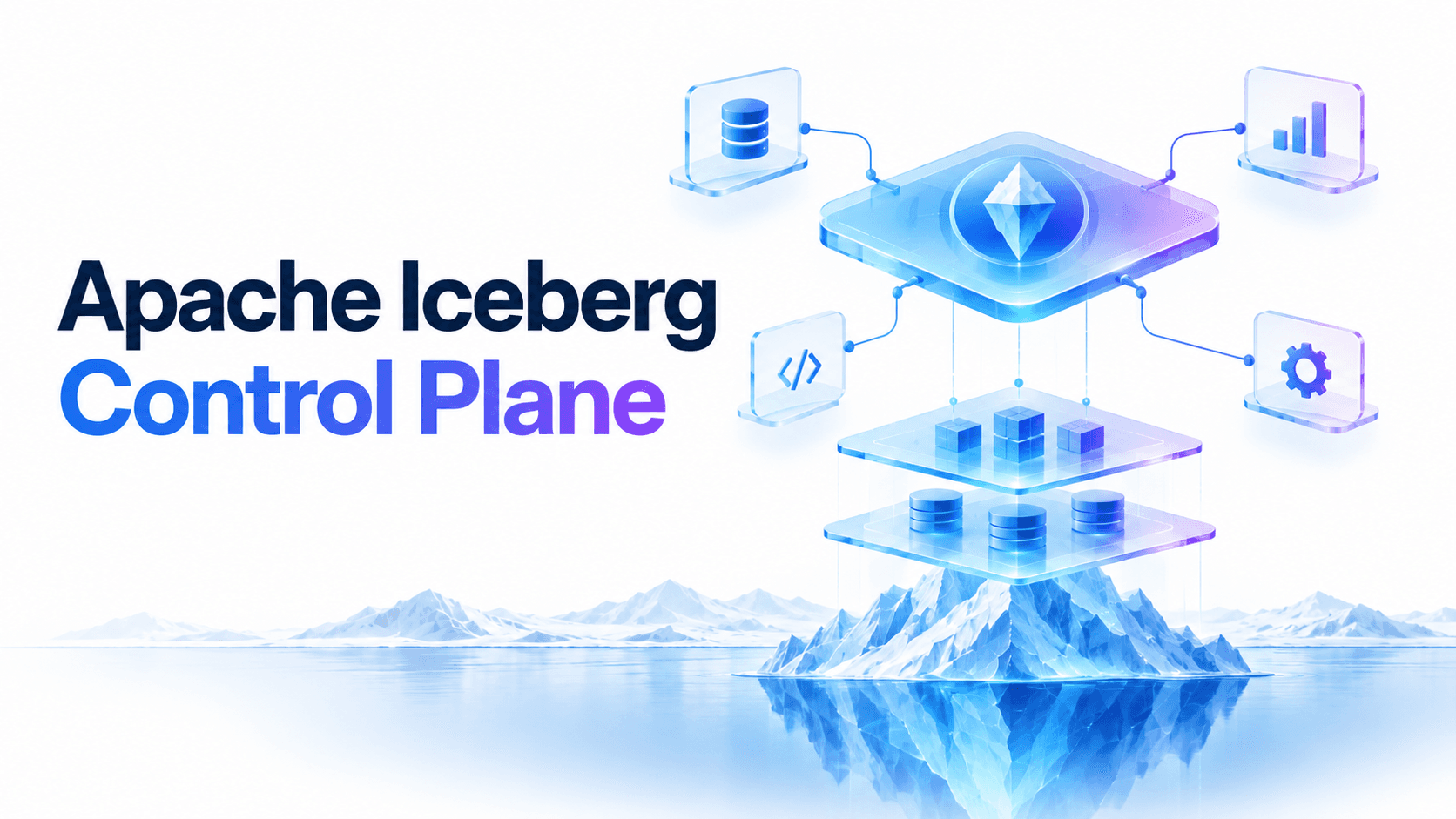
Modern lakehouse architecture with LakeOps control plane — autonomous management and optimization connected to Iceberg catalogs, query engines, and object storage.
Data PlatformsData LakehouseApache Iceberg

What Is a Data Lakehouse Control Plane?

A data lakehouse control plane is the automated operational intelligence layer on top of your lakehouse infrastructure — providing full observability, governance, and control while continuously maintaining and optimizing every Iceberg table and query engine for performance and cost, without vendor lock-in.

Jonathan Saring
Jonathan Saring
13 min read
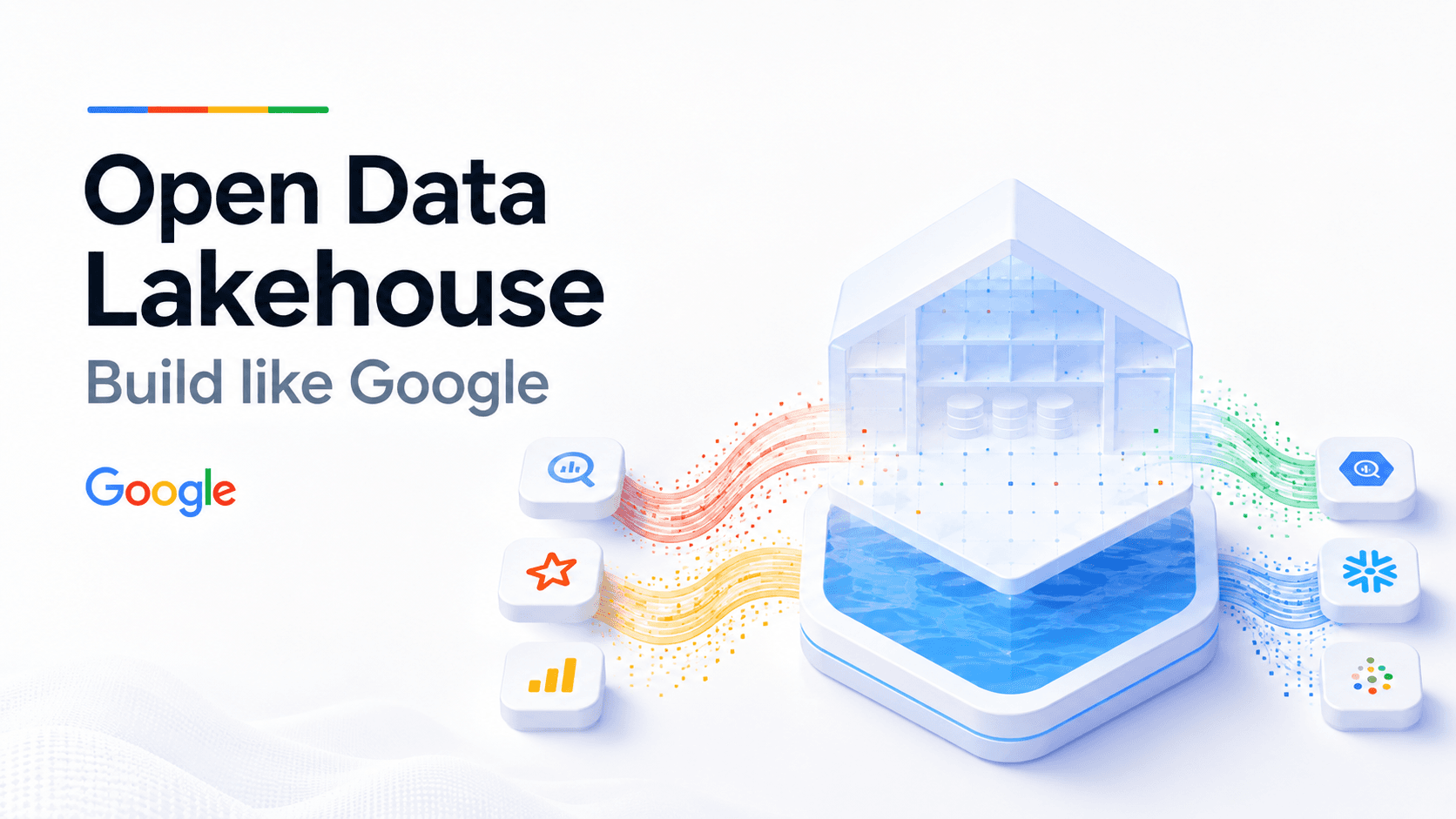
Open Data Lakehouse — Build like Google. Multi-layered Iceberg architecture with BigQuery, Spark, and open engines connected through an intelligent control plane.
Apache IcebergData LakehouseLakeOps

Open Data Lakehouse: Build Like Google

Google engineered a multi-layered Iceberg lakehouse — autonomous storage optimization, vectorized native execution, catalog federation, and credential vending. Learn their 6-layer optimization framework and how to build the same architecture with an open, engine-neutral control plane.

Jonathan Saring
Jonathan Saring
24 min read
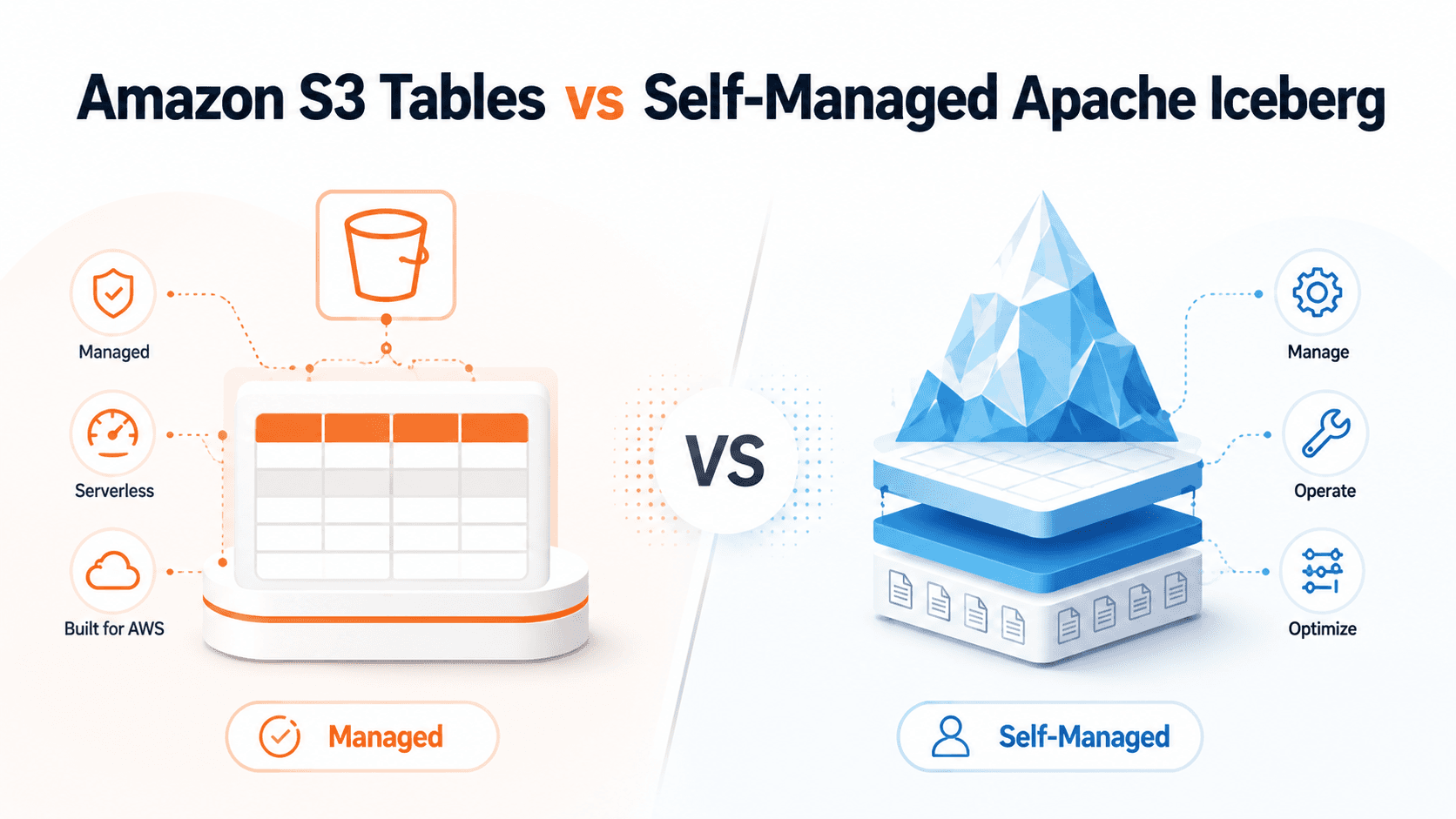
Amazon S3 Tables vs Self-Managed Apache Iceberg architecture comparison on AWS
Apache IcebergData LakehouseAWS

Amazon S3 Tables vs Self-Managed Iceberg

S3 Tables embeds managed Iceberg into S3 with automatic compaction. Self-managed Iceberg gives full control over catalogs, engines, and maintenance. A production comparison across compaction, observability, engine support, security, cost, and the control plane that ties it all together.

Jonathan Saring
Jonathan Saring
21 min read
AI Lakehouse — neural network brain connected to an iceberg data structure representing the evolution from data lake to AI-ready lakehouse

AI Lakehouse: The Complete Guide to Self-Managing Data Lakes

The AI lakehouse is what happens when your data lake stops being passive storage and starts managing itself. Autonomous maintenance, query-aware compaction, multi-engine routing, continuous observability, and an agent interface layer — all working together so the lake stays healthy, fast, and ready for both human analysts and AI agents.

David W
David W
19 min read
Data lake and data lakehouse governance — policies, observability, maintenance, audit trails, and multi-engine control across data zones
Apache IcebergData LakehouseData Governance

Data Lake and Data Lakehouse Governance: A Complete Guide

Data lakes without governance become data swamps — ungoverned, unobservable, and untrustworthy. This guide breaks down every pillar of production-grade lakehouse governance — policies, autonomous maintenance, observability, audit trails, lifecycle management, multi-engine control, cost governance, and AI guardrails — and shows how LakeOps delivers each as a unified control plane for Apache Iceberg.

Jonathan Saring
Jonathan Saring
22 min read
Apache Iceberg Production Readiness Checklist for Enterprise Data Lakes — security, storage, operations, and governance
Apache IcebergData LakehouseLakeOps

Apache Iceberg Production Readiness Checklist for Enterprise Data Lakes

Taking Apache Iceberg from proof-of-concept to enterprise production requires decisions across ten operational dimensions — catalog architecture, table design, write path tuning, maintenance automation, observability, multi-engine coordination, security, disaster recovery, cost management, and on-call readiness. This checklist covers each one with concrete configurations, SQL examples, and the automation patterns that keep large-scale lakehouses healthy.

Rob M
Rob M
24 min read
Intelligent Lakehouse — Build like Netflix. LakeOps control plane with observability, optimization, policies, and routing over Spark, Trino, Presto, and BI/ML on Iceberg and S3. 10x query performance, up to 80% lower storage costs, reliable at massive scale, fully automated.
Apache IcebergData LakehouseLakeOps

Intelligent Lakehouse: Build Like Netflix

Netflix spent years building an intelligent lakehouse — Polaris for catalog management, Autotune for compaction, janitors for cleanup, and Metacat for observability. LakeOps lets every team build the same — and go beyond — in minutes. Here is what an intelligent lakehouse actually requires, and how LakeOps provides each component.

Jonathan Saring
Jonathan Saring
19 min read
Apache Iceberg on AWS S3 — architecture diagram showing Iceberg metadata layers, AWS services, and the data lakehouse stack
Apache IcebergData LakehouseAWS

Apache Iceberg on AWS S3: A Guide

Apache Iceberg on AWS S3 is the standard architecture for open lakehouses. This guide covers how Iceberg's metadata hierarchy maps to S3 objects, the AWS services ecosystem (Glue, Athena, EMR, Redshift, S3 Tables), configuration best practices, performance optimization, table maintenance, and the operational components needed for production deployments.

Rob M
Rob M
24 min read
Multiple Query Engines with Iceberg — Ferris the Rust crab routing queries to Trino, Snowflake, DataFusion, Databricks, Presto, ClickHouse, DuckDB, and Apache Spark over an Iceberg Lakehouse
Apache IcebergData LakehouseQueryFlux

Routing Multiple Query Engines with Iceberg

How to route queries across Trino, Spark, DuckDB, Snowflake, Athena, and Flink on shared Iceberg tables — covering the architecture of a SQL routing proxy, dialect translation, routing strategies, table-aware optimization, and the tooling that makes it work.

Rob M
Rob M
18 min read
From data swamp to modern Iceberg lakehouse — illustrated journey from scattered files and broken schemas through Apache Iceberg to a managed lakehouse with a control plane
Data PlatformsData LakehouseApache Iceberg

From Data Swamp to Modern Iceberg Lakehouse

Every data lake starts with a promise of unlimited flexibility — and most end up as a swamp. Stale files, broken schemas, no observability, and engineers spending more time maintaining pipelines than analyzing data. Apache Iceberg fixed the reliability gap. A lakehouse control plane fixes everything else. A practical guide to the full transition — component by component.

Jonathan Saring
Jonathan Saring
23 min read
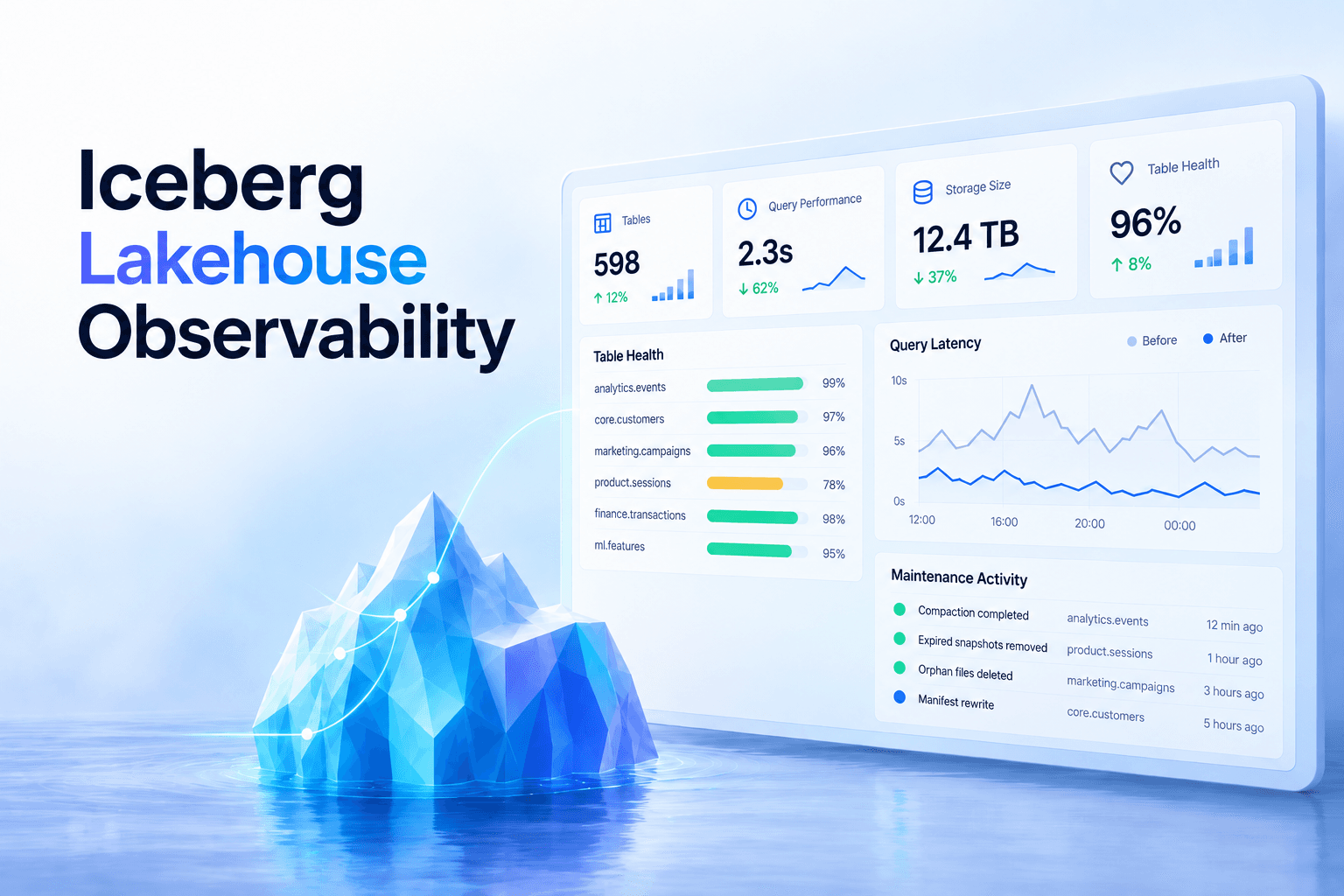
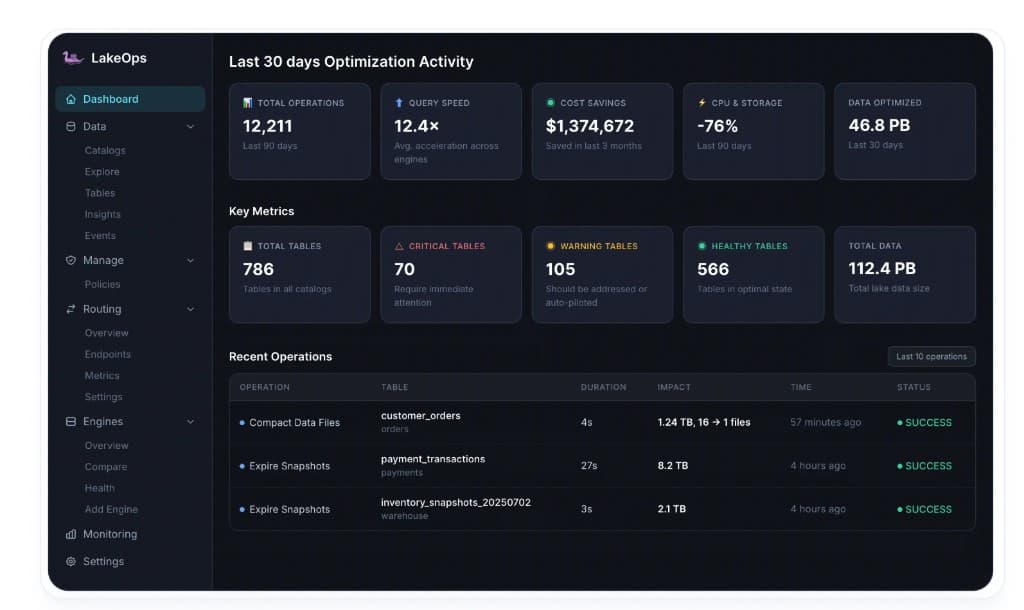
LakeOps dashboard showing optimization activity, key metrics, and recent operations across production Iceberg tables
Apache IcebergData LakehouseLakeOps

Managed Iceberg in 2026: Autonomous Data Lake

Iceberg tables degrade silently — small files pile up, snapshots bloat metadata, and query latency creeps higher. A breakdown of the nine components every production data lake needs to stay healthy — starting with observability and telemetry collection, through compaction, snapshot management, and lake-wide policies, to multi-engine routing and agentic AI enablement.

Jonathan Saring
Jonathan Saring
23 min read